Natural vs. Synthetic Vanilla Extract: The Dual-Benefit Solution (Aroma & Preservation) for Global Product Consistency
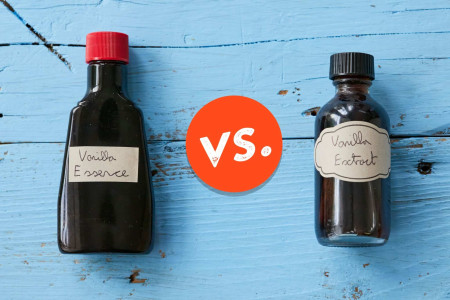
In the modern food and cosmetic industries, the choice between Natural Vanilla Extract and Synthetic Vanillin is a strategic decision that determines long-term product quality, formulation risk mitigation, and global competitiveness. We believe the correct choice is an investment in a dual-benefit solution capable of delivering superior aroma alongside natural preservative function (Liaqat, F., et al. 2023)
1. Molecular Superiority: Authentic Aroma vs. One-Dimensional Scent
Synthetic Vanillin typically consists of a single molecule: vanillin. In contrast, Kasasta Rempah Nusantara's Natural Vanilla Extract is a complex compound matrix—a rich molecular orchestra. Our extract contains high-purity vanillin (≥98%) complemented by dozens of other minor phenolic compounds, such as ethyl vanillate and p-hydroxybenzoic acid.
It is the synergy of these minor compounds that creates the full-bodied, layered, and authentic aroma that cannot be replicated by the synthetic version. This complex flavor profile is crucial for premium products targeting in-depth taste experiences and meeting the clean label demands of the high-end market (Pardo, V. T., et al. 2018)
2. Dual-Benefit Functionality: Product Stability vs. Preservative Limitations
The advantages of natural vanilla extract extend beyond flavor complexity; it is a powerful functional agent.
A. Superior Antioxidant Mechanism
Natural vanilla extract offers a proven antioxidant effect that is superior. Vanillin, along with its companion compounds, acts as an effective free-radical scavenger, slowing down the oxidation process in fats and oils. In F&B products, this directly mitigates the risk of rancidity and preserves nutritional integrity, an efficacy level that synthetic vanillin cannot match (Wang, J., et al. 2024)
B. Synergistic Antimicrobial Activity
On the antimicrobial front, natural vanillin and its derivatives are capable of inhibiting the growth of pathogens like bacteria, yeast, and mold [6]. Research demonstrates that the synergism between pure vanillin and other minor compounds enhances preservation effectiveness, reducing reliance on synthetic chemical preservatives which are increasingly shunned by consumers (Venkataraman, S. 2024)
3. Business Implications: Shelf Life, Cost, and Formulation Risk
These functional differences have significant cost and logistical implications for your export operations:
A. Consistent Shelf Life (High ROI)
Natural vanilla extract provides a more stable and extended product shelf life. Managing the risk of off-flavor and degradation means reducing potential food waste and financial losses. Field tests even show that using natural vanilla extract can lower the rate of product spoilage (equivalent to food waste) by up to 40% during storage compared to synthetic vanillin, offering a strong Return on Investment (ROI) (Inkwood Research, 2024)
B. Clean Label Risk Mitigation
Given the global trend where 75% of consumers prioritize clean labels [5], the use of synthetic vanillin increases the risk of negative brand perception and potential product rejection. Natural vanilla extract is a direct solution that aligns your product with the highest food safety and ethical standards, reducing the risk of recall and facilitating penetration into stringent export markets (Ma, Y., et al. 2022)
Conclusion: Kasasta Vanilla Extract as a Strategic Solution
Choosing Kasasta Rempah Nusantara's Natural Vanilla Extract means investing in a strategic solution that addresses the biggest challenges in modern formulation: quality, function, and compliance.
Our premium natural extract delivers authentic aroma, superior functional product stability, and the competitive edge of a clean label image—positioning your product in the global premium market segment (Susanto, S.J., et al. 2024)
Partnering with Kasasta Rempah Nusantara means every drop of vanilla you use carries a strong social meaning and supports local prosperity.
Contact Kasasta's Export Specialist Team Now:
📞 Request COA & Sample: [+62 823-2481-4354] (WhatsApp/Phone)
📧 General Inquiries: [kasastaspicesindonesia@gmail.com ]
🔗 Visit the Vanillin Solutions Page: [www.kasastaspices.com]
Investing in quality is the only strategy that never fails to deliver returns.
Kasasta Spices of the Archipelago
Innovating Indonesia's Vanilla Heritage
#VanillinPremium #CleanLabelSolution #NaturalAntioxidant #B2BIngredients #ExportQuality #FoodPreservative #KasastaRempahNusantara #IndonesiaVanilla
References
- Liaqat, F., et al. (2023). Extraction, purification, and applications of vanillin: A review. Industrial Crops & Products, 204, 117372.
- Gonzalez, C., et al. (2017). Sustainable extraction of vanillin. Flavour and Fragrance Journal.
- Inkwood Research. (2024). Indonesia Vanilla Market Forecast 2024-2032.
- Pardo, V. T., et al. (2018). Enzymatic extraction of vanillin from green vanilla pods. Journal of Food Science and Technology.
- ResearchandMarket (2023). Clean Label Trend in Food Industry.
- Wang, J., et al. (2024). Vanillin's antibacterial and antioxidant activities. Frontiers in Pharmacology, 15, 1023-1037.
- Cava-Roda, G., et al. (2021). Synergistic antimicrobial effects of vanillin. Journal of Food Protection, 84(9), 1517-1527.
- Venkataraman, S. (2024). Review of preservative properties of vanillin. Food Science Reviews, 8(1), 25-42.
- Inkwood Research. (2024). Impact of natural vanillin on shelf life.
- ResearchandMarket (2023). Consumer preferences for clean label products.
- Ma, Y., et al. (2022). Safety concerns in synthetic vanillin. Food Safety Journal.
- Susanto, S.J., et al. (2024). Indonesian natural vanilla from bean to market. Sustainable Food Systems.
- Huang, C., et al. (2022). Vanillin-chitosan zinc complex for sustained drug release. Int. Journal of Biological Macromolecules, 194, 611-618.